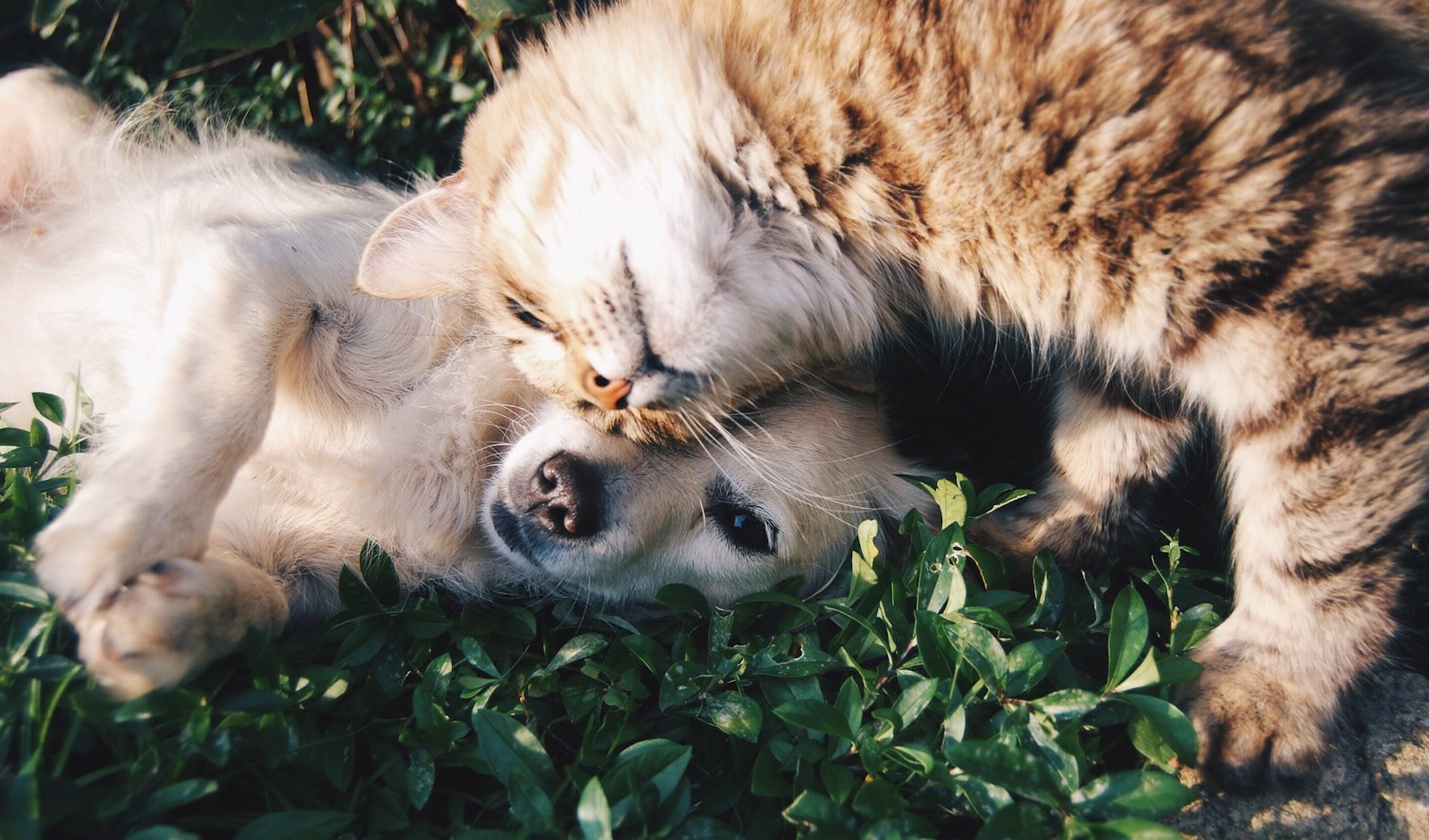
Pet toy rotation is a simple way to keep play interesting without covering the floor with every toy you own. The idea is to offer a small, useful selection, store the rest, and switch items based on your pet’s play needs and the condition of each toy.
Why rotate toys instead of displaying everything?
When every toy is always available, familiar items can fade into the background. A smaller selection makes it easier for a dog or cat to notice what is available and helps you supervise the right toy for the right activity.
Rotation also makes inspection and cleaning easier. You can identify damaged seams, loose parts, worn surfaces, or toys that no longer suit your pet before returning them to play.
Build four practical toy groups
Sort toys by the job they do rather than by color or brand. Most homes can use four groups:
- Chase and pounce: supervised wand toys, rolling toys, or movement-based toys.
- Problem-solving: treat puzzles, food dispensers, and hide-and-find activities.
- Chew or carry: size-appropriate toys chosen for your pet’s chewing style.
- Comfort and calm: soft toys or familiar items used during quiet time.
A balanced weekly set might include one item from each group. Cats and dogs do not need the same mix, so use your observations rather than following a rigid number.
A clutter-free pet toy rotation system
- Keep one active basket. Use a low, accessible container only for toys that are safe for unsupervised access.
- Use one closed storage bin. Store clean backup toys and all corded, small-part, or supervised toys out of reach.
- Create a review tray. Place wet, dirty, or questionable toys here until they are cleaned or discarded.
- Rotate once or twice a week. Exchange two or three items rather than replacing the entire set.
- Record favorites. A simple phone note can track which toys create focused play and which are ignored.
Choose what returns to the active basket
Do not rotate a toy back simply because it has been stored for a week. Ask three questions: Is it safe and intact? Does it add a different play function? Did my pet engage with it during the last session?
If you need a new problem-solving option, compare product dimensions, materials, cleaning instructions, and play style before buying. You can browse interactive pet toys in the Polarix shop and choose only items that fill a genuine gap in the rotation.
Cleaning and storage rules
Follow the product’s care instructions. Wash food-contact toys after use and allow them to dry completely before closed storage. Soft toys should also be fully dry to avoid odor or moisture buildup. Never apply a household cleaner unless the toy manufacturer says it is safe for that material.
Use labeled containers if several pets have different toy sizes or chewing habits. Keep cat wands, strings, batteries, detachable pieces, and high-value food toys in closed storage between supervised sessions.
Observe behavior, not just novelty
A successful rotation is not measured by how excited a pet looks in the first ten seconds. Look for sustained, appropriate play: sniffing, pawing, carrying, chasing, solving, or settling. If a toy creates frustration, guarding, destructive chewing, or repeated attempts to swallow pieces, remove it and choose a safer activity.
Senior pets and pets with dental, mobility, or medical concerns may need softer materials, stable surfaces, and lower-impact play. Ask a veterinarian for individual guidance when necessary.
Common rotation mistakes
- Returning damaged toys because they are a favorite.
- Offering several food puzzles at once and accidentally overfeeding.
- Leaving supervised string or small-part toys in an open basket.
- Buying new toys before learning which play function is missing.
- Changing every item so often that a cautious pet cannot build confidence.
Frequently asked questions
How many toys should stay out?
There is no universal number. Start with three to five varied options for one pet, then adjust for space, safety, and actual use.
How long should a toy stay stored?
One to three weeks works for many homes, but condition and engagement matter more than the calendar. Some comfort toys may remain available continuously.
Should I rotate a pet’s favorite toy?
If it is safe and used appropriately, it can remain available. Rotation is a tool for variety and organization, not a rule that removes every familiar item.