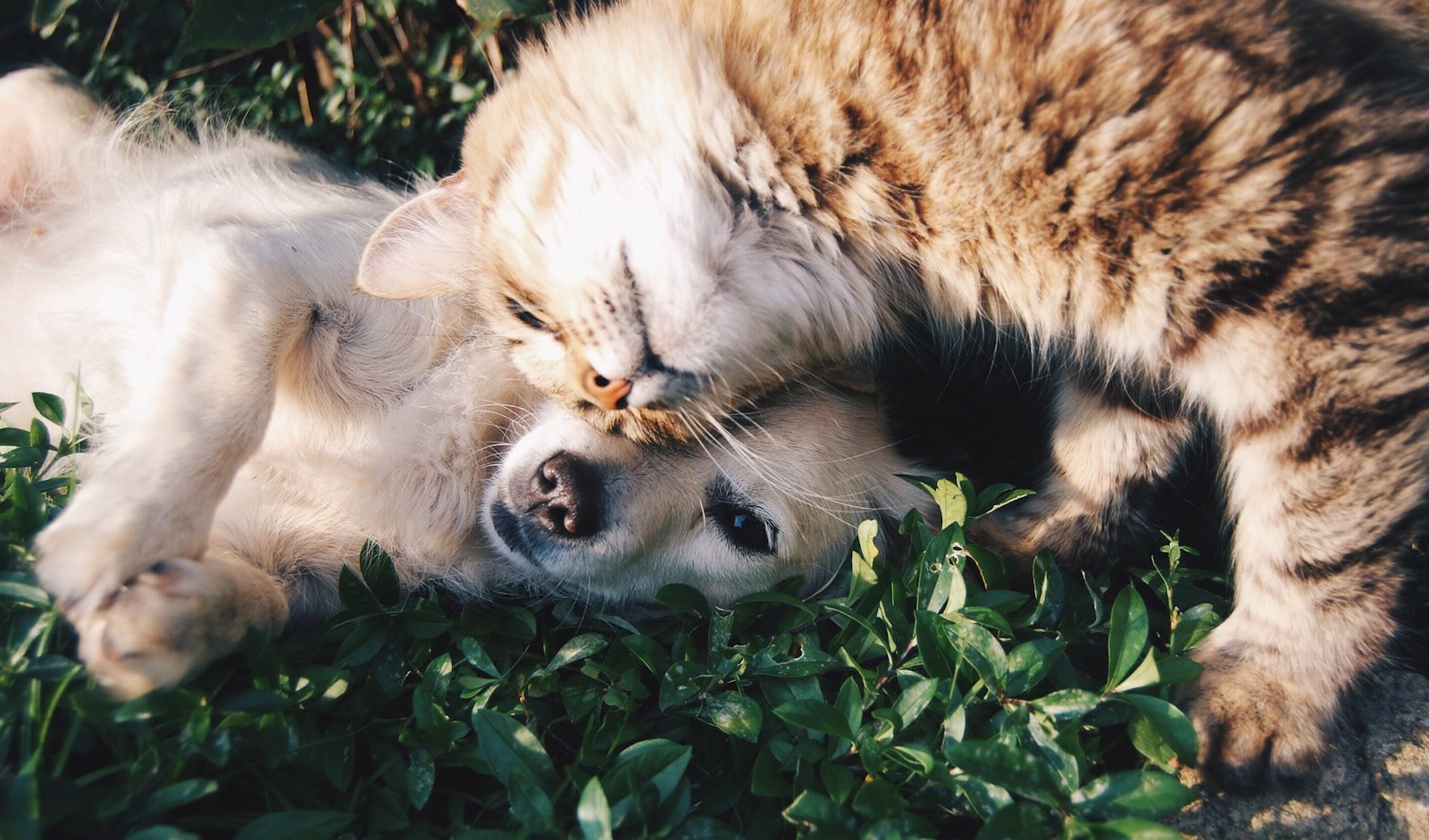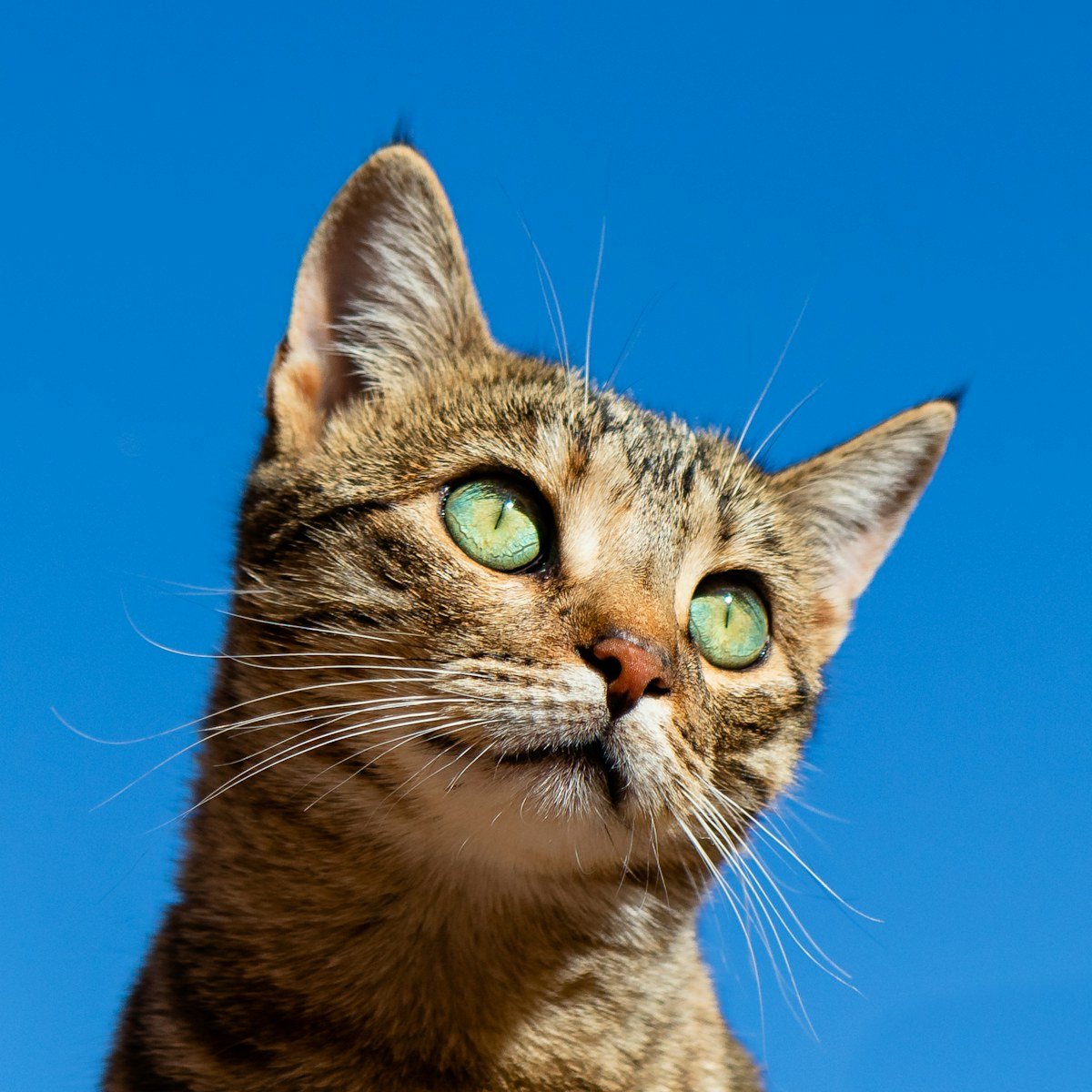
A cat pounce play routine gives indoor cats a short, repeatable way to stalk, chase, catch, and settle. You do not need a large room or a long session. Five focused minutes can be more satisfying than waving a toy without a clear beginning or ending.
Why the hunt sequence matters
Cats naturally respond to movement that resembles small prey: a slow crawl, a pause behind cover, and a quick change of direction. A useful play session follows a simple rhythm: notice, stalk, chase, catch, and finish. Letting your cat complete the catch is important because an endless chase can become frustrating.
Set up a safe play space
Choose a clear floor area away from stairs, fragile objects, food bowls, and other pets. Put away loose string, broken pieces, and toys small enough to swallow. If you use a wand or corded toy, keep it in your hand during play and store it out of reach afterward.
Use furniture safely as part of the game. A toy can disappear behind a chair leg or paper bag, but never encourage a jump into a narrow gap or onto an unstable surface.
The five-minute pounce routine
- Minute one: notice. Move the toy slowly at the edge of your cat’s vision. Pause and allow time for ears, eyes, and body to orient toward it.
- Minute two: stalk. Let the toy creep along the floor and stop behind light cover. Avoid placing it directly in your cat’s face.
- Minute three: chase. Add two or three short bursts of movement. Change direction, then pause before your cat loses interest.
- Minute four: catch. Allow several real catches. Keep the toy still for a moment so your cat can hold or pat it.
- Minute five: settle. Slow the movement, offer one final catch, and end with a few pieces of the cat’s normal food or a small treat if appropriate.
Choose the right toy and movement
Different cats prefer different prey styles. Floor-focused cats often enjoy toys that scurry or pop out from cover. Cats that watch birds may prefer light fluttering movement. Start slowly and adjust based on what earns focused attention rather than simply moving faster.
Rotate between two or three supervised toys instead of presenting every toy at once. This keeps the movement pattern fresh and makes it easier to notice which style your cat prefers. You can explore more interactive pet toys in the Polarix shop, then choose a size and play style suited to your pet.
Watch your cat’s body language
Healthy engagement may look like forward-facing ears, a low stalking posture, focused eyes, and brief pauses before a chase. Stop or reduce intensity if your cat begins panting, hides, repeatedly lashes the tail, flattens the ears, or tries to leave. Senior cats, kittens, and cats with mobility or health concerns may need shorter, lower-impact sessions. Ask a veterinarian for individual guidance when needed.
Make the routine easy to repeat
Keep the toy in a consistent storage place and try the routine before a meal or during a predictable active period. One or two short sessions can fit more easily into daily life than a long session that is difficult to maintain. End calmly, store the toy, and note which movement produced the strongest response.
Frequently asked questions
What if my cat only watches?
Watching is part of hunting behavior. Slow down, add longer pauses, and let the toy partly disappear behind cover. Do not force interaction.
Should I use a laser pointer?
If you use one, never aim it at eyes and always finish by directing the cat to a physical toy or treat that can be caught. A tangible finish helps complete the play sequence.
How often should I change the routine?
Keep the five-step structure consistent, but vary the toy, direction, and hiding place. Small changes preserve novelty without making the session confusing.